

5 Min Read
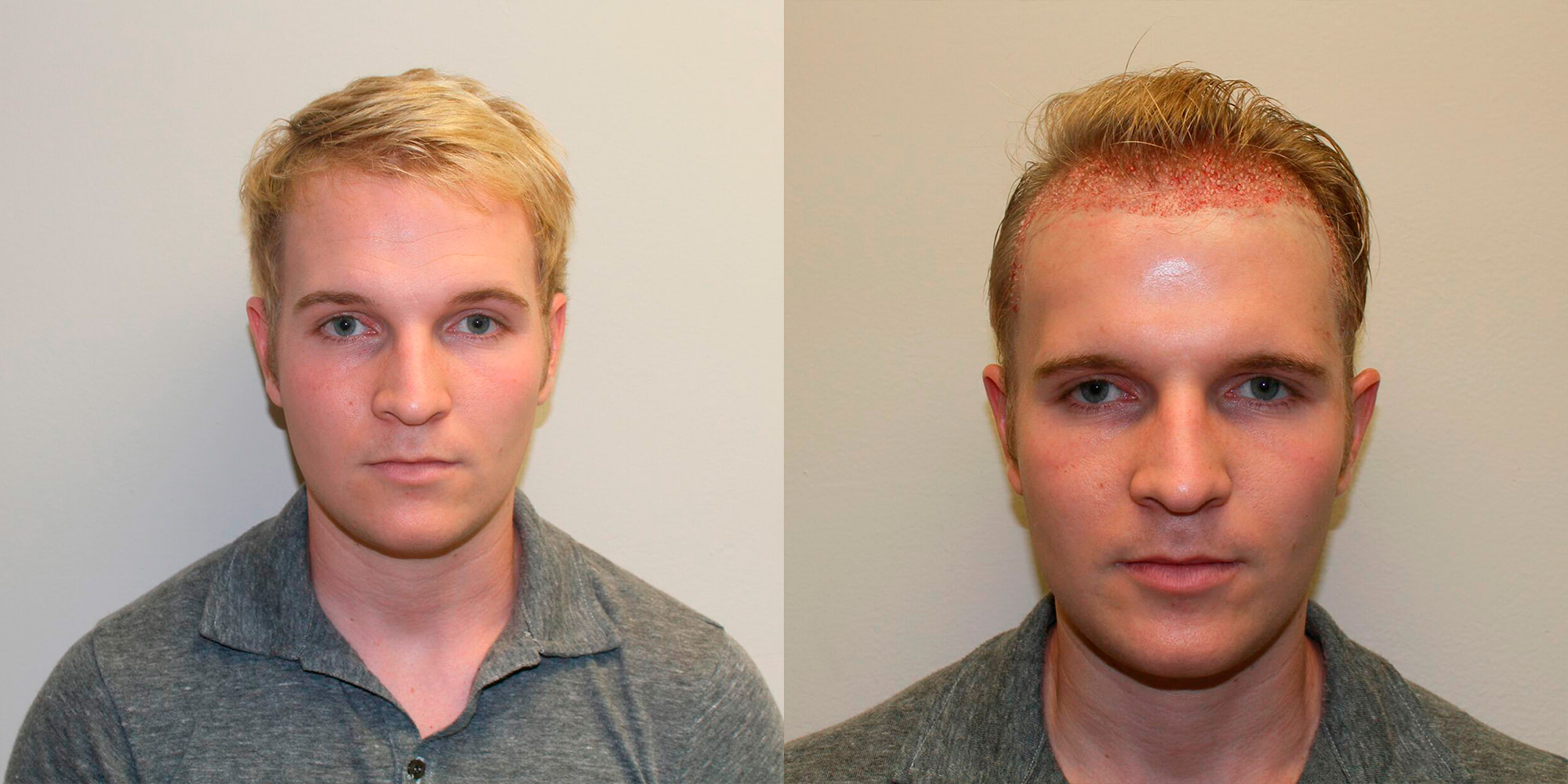
A FUE hair transplant is one of the most advanced and popular techniques in modern hair restoration. The method involves extracting individual hair follicles from the donor area, usually the back or sides of the scalp, and transplanting them into thinning or balding areas. Unlike older strip-based methods, FUE leaves no visible linear scar and offers a faster recovery period. Many patients choose this method because it delivers a natural look, minimal discomfort, and a higher level of precision
Table of Contents
How long does a FUE hair transplant last
The results of a FUE hair transplant are considered permanent. Once the transplanted follicles are securely implanted and go through the natural growth cycle, they continue to grow hair for a lifetime. This is because the donor follicles are genetically resistant to hair loss. However, permanence depends on factors such as the patient’s age, genetic predisposition, hair care routine, and overall health. Most patients enjoy visible results that last decades, often with no need for repeat surgeries if the initial procedure is planned properly.
The growth timeline after FUE
Before diving into long-term durability, it is important to understand the growth timeline.
First 2 to 3 weeks: Transplanted hair may shed due to a natural process called shock loss.
Months 3 to 4: New hair shafts begin to emerge.
Months 6 to 9: Noticeable thickening occurs, and density improves.
After 12 months: Final results are typically visible, with full density and natural integration.
The timeline proves that while the transplant is permanent, patience is essential to see the final transformation.
Factors influencing longevity
Even though transplanted hair is resistant to shedding, certain factors influence how long results will look optimal.
Genetic factors
If a patient has a strong genetic tendency for progressive hair loss, untreated areas may continue to thin, creating uneven density over time.
Age of the patient
Younger patients may require additional planning, since hair loss can continue. Surgeons often design a conservative hairline to ensure the look remains natural as the patient ages.
Surgeon expertise
The skill of the surgeon plays a critical role. Proper angling, density planning, and donor management ensure that results remain sustainable.
Lifestyle and health
Habits such as smoking, poor diet, or unmanaged health conditions can negatively affect hair follicle survival and overall scalp health.
How to maintain FUE hair transplant results
To maximize the longevity of results, patients should adopt proper aftercare and lifestyle habits.
Follow post-operative instructions strictly.
Avoid scratching or rubbing the transplanted area during healing.
Use prescribed shampoos and medications if recommended.
Maintain a nutrient-rich diet for better hair quality.
Manage stress and avoid smoking, as both can weaken follicles.
In some cases, medications like finasteride or minoxidil are prescribed to support non-transplanted hair and prevent further thinning.
FUE vs other methods in durability
Compared to FUT (Follicular Unit Transplantation), FUE offers equally permanent results but with fewer visible scars and faster healing. While FUT also provides long-lasting results, many patients prefer FUE due to the minimal invasiveness and flexibility in donor area selection.
Common misconceptions about FUE longevity
Many patients worry about whether the results will fall out or fade with time. The truth is transplanted hair is permanent, but natural aging will still affect hair texture and density. It is also important to remember that untreated areas may still lose hair, which sometimes leads to the impression that results are fading.
Benefits of FUE longevity for patients
The long-term benefits make FUE one of the most cost-effective solutions for hair restoration. Once completed, the investment reduces the need for ongoing maintenance compared to non-surgical treatments. Patients also experience a psychological boost, as having a permanent solution improves confidence, self-image, and overall quality of life.
Cost-effectiveness of FUE in Turkey
Patients from around the world travel to Turkey for FUE hair transplantation due to its combination of affordable prices and high-quality medical standards. Clinics in Istanbul and other major cities employ internationally trained surgeons and use state-of-the-art technology. The lower cost compared to the US, UK, or Europe does not mean reduced quality. In fact, many clinics offer all-inclusive packages covering treatment, accommodation, and transfers, making it a practical choice for long-term hair restoration.
Who is the best candidate for permanent FUE results
Men and women with stable hair loss patterns
Patients with sufficient donor density
Individuals seeking natural, lifelong results
Patients willing to follow medical and lifestyle advice
Proper evaluation by a qualified surgeon ensures realistic expectations and long-term satisfaction.
Final thoughts on FUE longevity
A FUE hair transplant is a permanent solution for hair loss, as transplanted follicles continue to grow naturally for decades. While genetic and lifestyle factors influence how results age over time, careful planning and professional expertise maximize durability. Patients who want a lasting solution should not only focus on the initial surgery but also on long-term scalp care and preventive measures. For those considering treatment, Turkey stands out as a destination offering both affordability and medical excellence, ensuring that the results are not only permanent but also aesthetically pleasing and life-enhancing.


