

10 Min Read
It’s a topic that can make even the most composed person start to itch the dreaded lice. These tiny, wingless insects have been unwelcome companions to humans for thousands of years.
Despite our modern advancements, they remain a common nuisance. But what really causes these persistent pests to take up residence in our hair?
At Hair Chiefs, we believe that understanding the enemy is the first step to victory. This guide will unravel the mysteries behind what causes lice, debunk persistent myths, and provide a clear, scientific look at how these infestations begin.
Forget the old wives’ tales and misconceptions. It’s time to arm ourselves with knowledge and tackle the topic of lice head on.
What are Head Lice? Demystifying the Tiny Intruders
Before we can explore what causes head lice, it’s crucial to understand exactly what we’re dealing with. The creature at the center of this discussion is Pediculus humanus capitis, a parasitic insect uniquely adapted to live on the human scalp.
These parasites are not a sign of poor hygiene or one’s environment. They are simply opportunistic organisms that have perfected the art of survival in our hair.
A key fact is that they can’t fly or jump. Their primary mode of transportation is crawling, which is a critical factor in how they spread from person to person.
The life cycle of a louse has three stages: the nit, the nymph, and the adult.
Nits are the eggs. They are tiny, oval shaped specks cemented firmly to the hair shaft close to the scalp and are often mistaken for dandruff. Unlike dandruff, however, nits cannot be easily flicked or brushed away.
After about a week, a nit hatches into a nymph. Over the next 7 to 10 days, it becomes a fully grown adult, ready to lay its own eggs and continue the cycle of a Head Lice Infestation.
Understanding this lifecycle is essential for effective treatment, as many methods target one stage but not the others.
The Primary Culprit: What Causes Head Lice to Begin and Spread?
The single most significant factor in what causes head lice to begin is direct, head to head contact with an infested person. This is the superhighway for lice transmission.
When two heads touch whether it’s children whispering secrets, friends taking a selfie, or family members sharing a hug the lice can easily crawl from one scalp to the other.
Their six legs are equipped with tiny claws perfectly designed for grasping hair shafts, allowing them to move efficiently in their preferred environment.
This is why infestations are so common among school aged children, who spend a significant amount of time in close proximity to one another during play and classroom activities.
While direct contact is the main cause, indirect transmission can also contribute to the spread of lice, though it is much less common. This occurs when lice crawl onto inanimate objects, known as fomites, and are then transferred to another person.
Items like hats, scarves, hairbrushes, combs, headphones, and pillows can potentially harbor a louse for a short period.
An adult louse can survive for only about 1 to 2 days off a human host, as it needs warmth and blood to live. This is why the risk from objects is lower.
Therefore, the primary focus of prevention should always be on minimizing direct head to head contact first and foremost.
Recognizing the Signs: Symptoms of a Head Lice Infestation
So, how do you know if you or a family member is hosting these unwelcome guests? The signs can sometimes be subtle, but the body often sends clear signals. The most common and well known symptom is persistent itching, a condition known medically as pruritus.
This itching isn’t caused by the lice biting, as many believe. Instead, it’s an allergic reaction to the saliva that lice inject into the scalp when they feed on blood. For a first time infestation, it can take four to six weeks for this sensitivity to develop, meaning someone can have lice for over a month before they even start to feel itchy. This is a critical window during which they can unknowingly spread the infestation to others.
While itching is the primary red flag, it’s not the only one. A thorough check is the best way to confirm an infestation. Here are the key signs to look for:
- A Tickling Sensation: Many people report feeling a sensation of something moving or crawling in their hair.
- Visible Lice or Nits: Adult lice are about the size of a sesame seed and are grayish brown. They move quickly and can be hard to spot. Nits are easier to see; they are tiny, teardrop shaped eggs glued to the hair shaft, often found behind the ears and near the neckline.
- Irritability and Sleeplessness: Lice are most active in the dark, which can disrupt sleep and lead to general crankiness, especially in children.
- Sores from Scratching: Constant scratching can break the skin, leading to small red bumps or even bacterial infections.
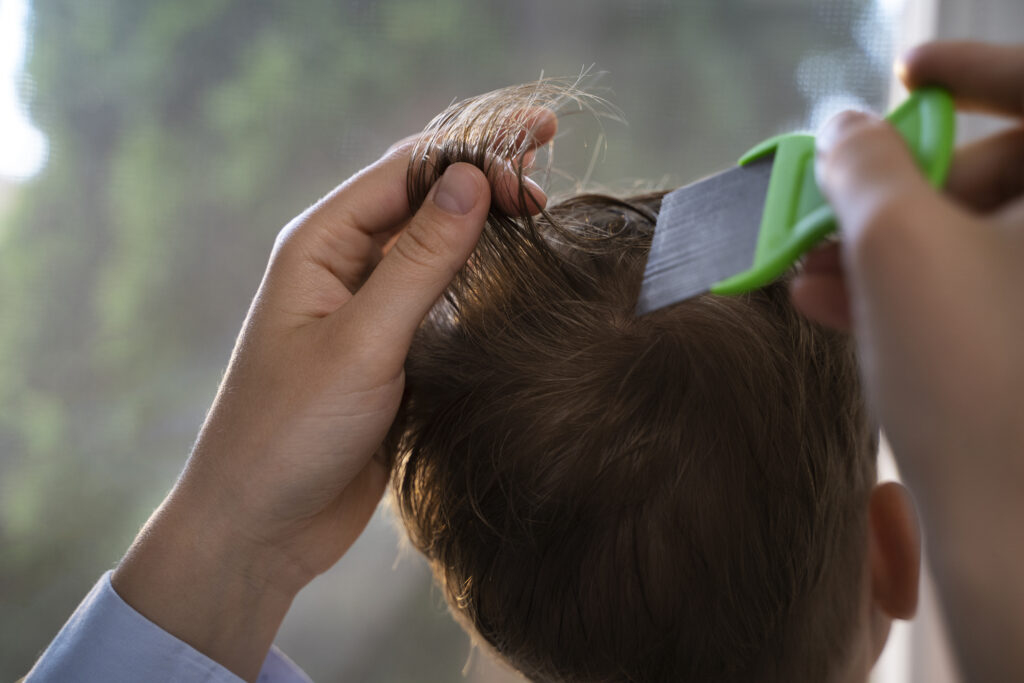
Diagnosing an infestation involves a careful visual inspection. The “wet combing” method is considered the gold standard. This involves coating the hair with conditioner and meticulously combing through small sections with a fine toothed nit comb, wiping the comb on a paper towel after each pass to check for lice and nits.
Beyond the Scalp: What Causes Pubic Lice (Crabs)?
While head lice get most of the attention, it’s important to know they have a cousin: the pubic louse (Pthirus pubis), more commonly known as “crabs.” This is a different species of insect entirely, and understanding what causes pubic lice is key to preventing them. They have a distinct crab like appearance and prefer the coarser hair found in the genital region.
The overwhelming primary cause of pubic lice is intimate sexual contact. The lice crawl from the pubic hair of one person to another during sexual activity. This is their main method of finding a new host, which is why pubic lice are considered a sexually transmitted infection (STI). Condoms do not prevent the transmission of pubic lice, as they only cover the genitals and do not prevent skin on skin or hair on hair contact in the surrounding area.
While sexual contact is the main answer to what are the causes of pubic lice, there are less common ways an infestation can occur. These tiny parasites can occasionally be spread through contact with infested personal items, such as:
- Towels
- Bedding
- Clothing
This form of transmission is rare because, like head lice, pubic lice need a human host to survive and will die within a day or two if they fall off a person. An infestation is almost never caused by a toilet seat, as the lice do not have feet designed to walk or hold onto smooth surfaces. The core of what causes lice in pubic hair remains close, personal, and typically sexual, contact.
Effective Strategies: How Are Head Lice Treated?
Once an active infestation is confirmed, the immediate goal is eradication. The question of how are head lice treated? has several answers, and the best approach often involves a combination of methods. The key to success is diligence and a focus on eliminating not just the adult lice but also their nits, which is often the most challenging part of the process.
It is crucial to follow the instructions of any chosen treatment method precisely and to complete any follow up steps. Missing a single viable nit can lead to a re infestation within a few weeks. Remember, this information is for educational purposes; always consult a healthcare professional for specific advice. If you’re struggling to manage an infestation, it is always best to contact a specialist for guidance.
Medications and Treatments
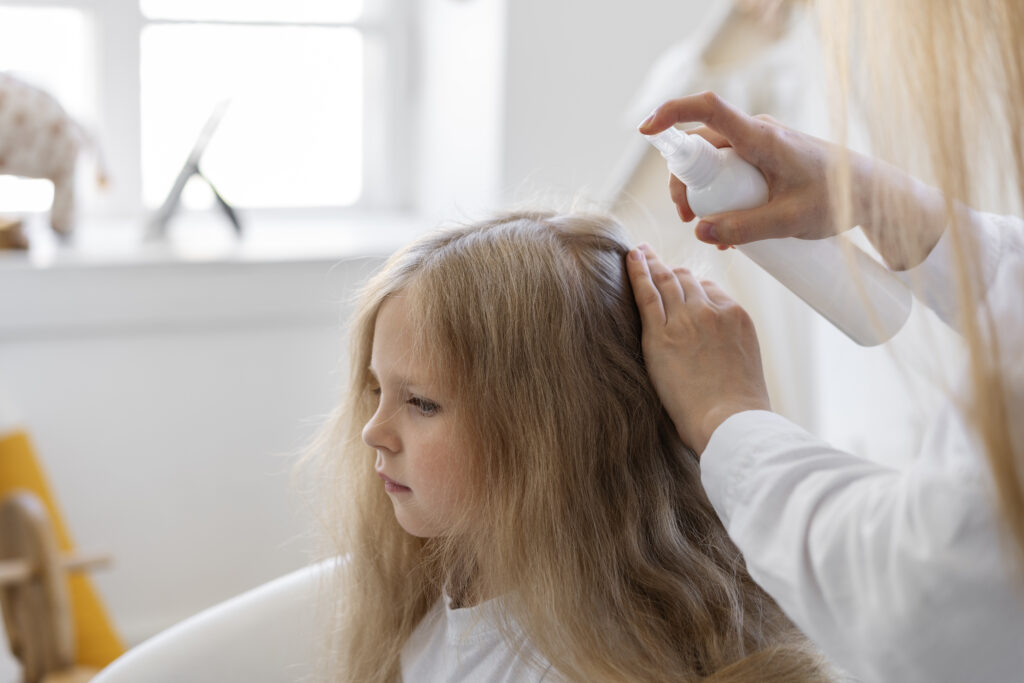
There is a wide range of options available for treating a Head Lice Infestation, from over the counter products to prescription strength solutions.
- Over the Counter (OTC) Medications: These are often the first line of defense. Products containing pyrethrins or permethrin lotions are common. They are effective at killing live lice but may not be as effective against unhatched nits. A second application is typically recommended 7 10 days after the first to kill any newly hatched nymphs.
- Prescription Medications: For lice that have developed resistance to OTC treatments, a doctor might prescribe stronger options like spinosad, ivermectin, or malathion. These Medications can be more potent and have different application instructions.
- Alternative treatment: Many people prefer to avoid chemical insecticides. Alternative treatment methods require more manual effort but can be very effective. The most prominent is wet combing, which involves meticulously combing conditioned hair with a nit comb every few days for several weeks to physically remove all lice and nits.
Treating Your Home Environment
The panic of finding lice often leads to an urge to deep clean the entire house. However, as transmission through objects is low risk, the focus on Treating your home can be minimal and targeted. Extensive fumigation or professional cleaning is unnecessary. Instead, focus on the basics:
- Wash any bedding, clothing, and towels used by the infested person in the 48 hours prior to treatment in hot water (at least 130°F or 54°C).
- Dry these items on high heat for at least 20 minutes.
- Seal any items that cannot be washed (like stuffed animals) in a plastic bag for two weeks.
- Soak hairbrushes and combs in hot water for 5 10 minutes.
Prevention is Key: Minimizing the Risk of Future Lice Encounters
After successfully treating an infestation, the final step is prevention. Understanding what causes lice in the hair primarily head to head contact is your best defensive tool. While it’s impossible to guarantee you’ll never encounter lice again, especially with children in school or daycare, you can significantly reduce the risk.
Adopting a few simple habits can make a world of difference. Education is your strongest ally; teaching children about how lice spread helps them make smarter choices during play. Open communication with your child’s school and other parents can also help you stay informed about potential outbreaks.
Here are some proactive prevention strategies:
- Avoid Head to Head Contact: Teach children to avoid activities that involve hair to hair contact with their friends.
- Don’t Share Personal Items: Make it a rule not to share combs, brushes, hats, scarves, headphones, or hair accessories.
- Conduct Regular Checks: Once a week, use a nit comb to quickly check your child’s hair, especially behind the ears and at the nape of the neck.
- Keep Long Hair Tied Back: Tying long hair in a braid or bun can make it harder for lice to crawl from one person to another.
Knowledge is Your Best Defense
Lice are a nuisance, but they are not a health hazard or a sign of failure in hygiene. They are a common part of the human experience that, with the right knowledge, can be effectively managed and prevented. By understanding that direct contact is the primary answer to what causes head lice and nits, you can shift your focus from frantic cleaning to practical prevention and targeted treatment.
At Hair Chiefs, we are dedicated to empowering you with accurate, science backed information for all your hair and scalp concerns. A healthy scalp is the foundation of healthy hair, and our expertise covers the full spectrum of hair wellness. From tackling temporary issues like lice to providing advanced solutions for complex concerns such as hair transplantation, our goal is to ensure you have the confidence that comes with a healthy head of hair. Armed with the facts, you can now face the possibility of lice not with panic, but with a clear and effective plan.


